LANSING, Mich. — The Michigan Senate on Tuesday passed legislation to ensure Michigan remains part of an interstate medical compact to help streamline physician licensure.
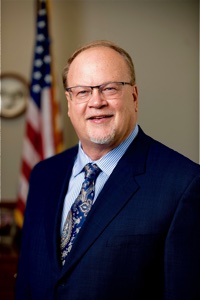
“Participation in this compact has been a helpful tool to attract more medical professionals to our state and letting it expire would have dramatically impacted access to health care in Michigan,” said Sen. Mark Huizenga, R-Walker. “This bill prevents a very significant licensing and regulatory burden from going into effect — one that would have caused countless physicians to bypass Michigan when looking for a place to practice medicine and call home.”
The Legislature previously voted to enter Michigan into the Interstate Medical Licensure Compact (IMLC) and subsequent votes were taken to maintain participation in the agreement.
The original legislation included a provision requiring periodic votes to continue Michigan’s involvement. Without any recent vote to extend Michigan’s participation, the state began a yearlong withdrawal process.
Without this bill being signed into law, Michigan remains in the compact, which more than half of the states in the U.S. participate in, until March 28, 2026.
House Bill 5455, which passed both chambers with significant bipartisan support, would ensure Michigan remains a member of the IMLC and remove the requirement to pass future measures to keep Michigan in the agreement. If the legislation is signed into law, Michigan would remain a permanent member of the IMLC, and periodic votes to renew participation would no longer be required.
“Like many states, Michigan is in need of more health care workers, especially in underserved areas throughout rural Michigan,” Huizenga said. “I am happy to support this important bipartisan bill and solidify the state’s efforts to attract more medical workers and improve access to care throughout the state.”
###